By Island & Key
Selling a home in today's market requires more than a fantastic location and a competitive price point. Buyers form opinions within mere seconds of walking through a front door, and what they see within those first moments shapes everything that follows. Home staging is one of the most powerful tools you have to influence that reaction, and when done well, it can mean the difference between a listing that lingers and one that generates multiple offers at once.
The goal of staging is not to trick anyone into buying something. It is to help buyers see the full potential of a space, understand how to live within it, and feel an emotional pull toward making it their own. In markets where inventory is competitive and buyers are discerning, that emotional connection is often what closes the deal.
When you are preparing your home in Dorado, thoughtful staging elevates your property’s perceived value and helps it photograph and show at its absolute best. Here is how to do it right.
Key Takeaways
- First impressions begin at the curb, and exterior presentation is just as important as what is inside.
- Decluttering and depersonalizing your space helps buyers visualize themselves living there.
- Furniture arrangement directly affects how spacious and functional a room feels to a buyer.
- Lighting, color, and texture are subtle but powerful tools for making a home feel welcoming.
- Professional staging consistently leads to faster sales and stronger offers.
Start with Curb Appeal Before Anyone Steps Inside
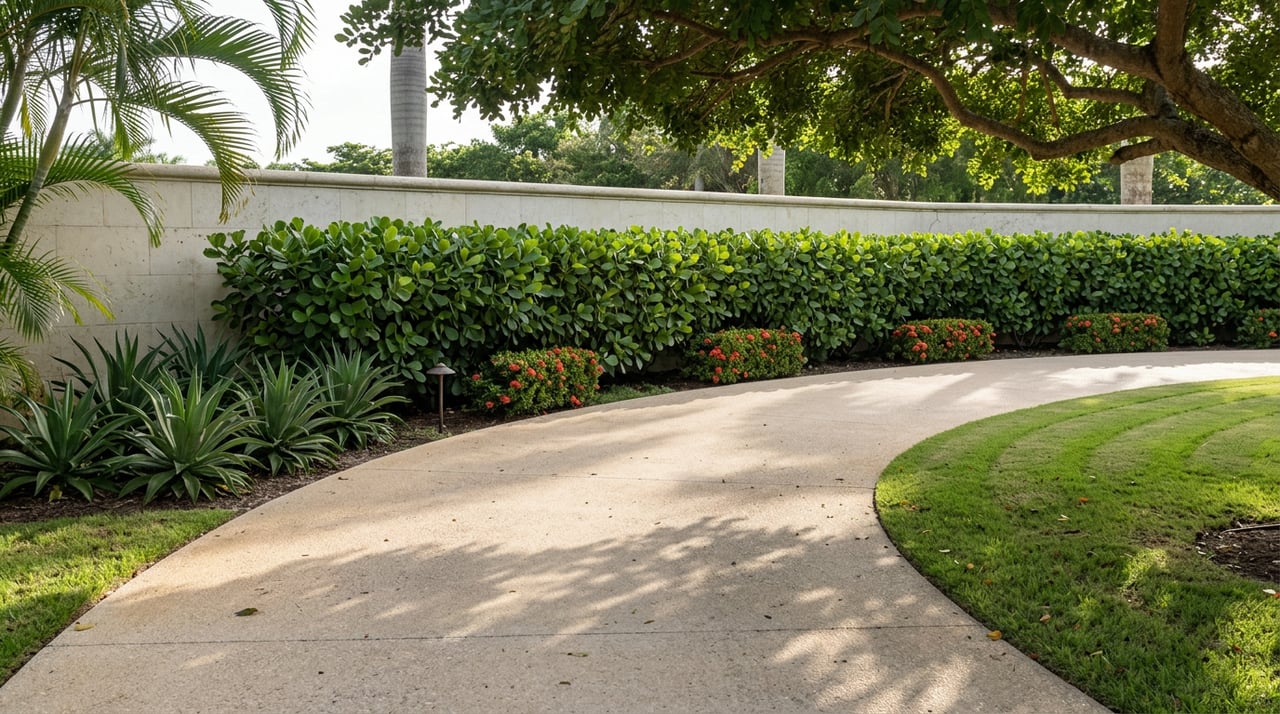
The moment a buyer pulls up to your home, they are already making judgments. A manicured front yard, a freshly painted door, and a clean exterior lines communicate that the property has been cared for, which sets a tone of confidence before a single room is seen. In tropical climates like Puerto Rico's, lush landscaping can be one of your greatest selling assets, provided it is well-maintained and intentional rather than overgrown.
Pressure wash hardscape surfaces, trim back vegetation that crowds the entrance, and add potted plants or a fresh doormat to frame the front door. If the exterior paint is faded or chipped, a fresh coat makes an enormous difference in photography and in person. Buyers should feel excited to walk through the door before they ever open it.
The driveway, garage, and entryway path also contribute to that first read. Stained concrete, cracked pavers, or cluttered garages that are visible from the street can undercut an otherwise polished exterior. These details are easy to overlook when you have lived in a home for years, but a buyer sees everything for the first time with fresh eyes.
High-Impact Exterior Updates to Consider
- Power wash the driveway, walkway, and any tiled outdoor surfaces to remove dirt and staining.
- Replace or refresh the front door hardware, including the handle, knocker, and address numbers.
- Trim back palm fronds, hedges, or any plantings that obscure the home's facade.
- Add lighting along the entry path so that evening showings and listing photos look equally inviting.
- Remove any personal items from the driveway or garage that are visible from the street.
Depersonalize Your Space
One of the most common mistakes sellers make is leaving too much of themselves in a home during showings. Photos and personalized decor throughout the house can make it harder for buyers to mentally move in. The more a home reflects its current owner, the more effort buyers have to exert to imagine it as their own, and that cognitive friction can cool enthusiasm quickly.
Depersonalizing does not mean stripping your home of all warmth. It means transitioning it from "your home" to "a beautifully appointed home where someone could build a wonderful life." Remove personal photographs, trophies, and highly specific collections. Store away items that feel idiosyncratic or that buyers might not share an appreciation for.
Neutralizing this way is also a practical step toward packing up your belongings. Getting a head start on removing personal items before your home hits the market means you are further along logistically and the space shows with the kind of clean, curated feel that buyers respond to in listing photos and during walkthroughs.
What to Remove Before Showings Begin
- Personal photographs from walls, shelves, and mantels.
- Highly personalized art or decor that reflects a specific taste.
- Excess furniture or large items that make rooms feel cluttered or smaller than they are.
- Pet beds, food bowls, and other pet-related items that can be stored during showings.
Arrange Furniture to Maximize How Spacious Each Room Feels
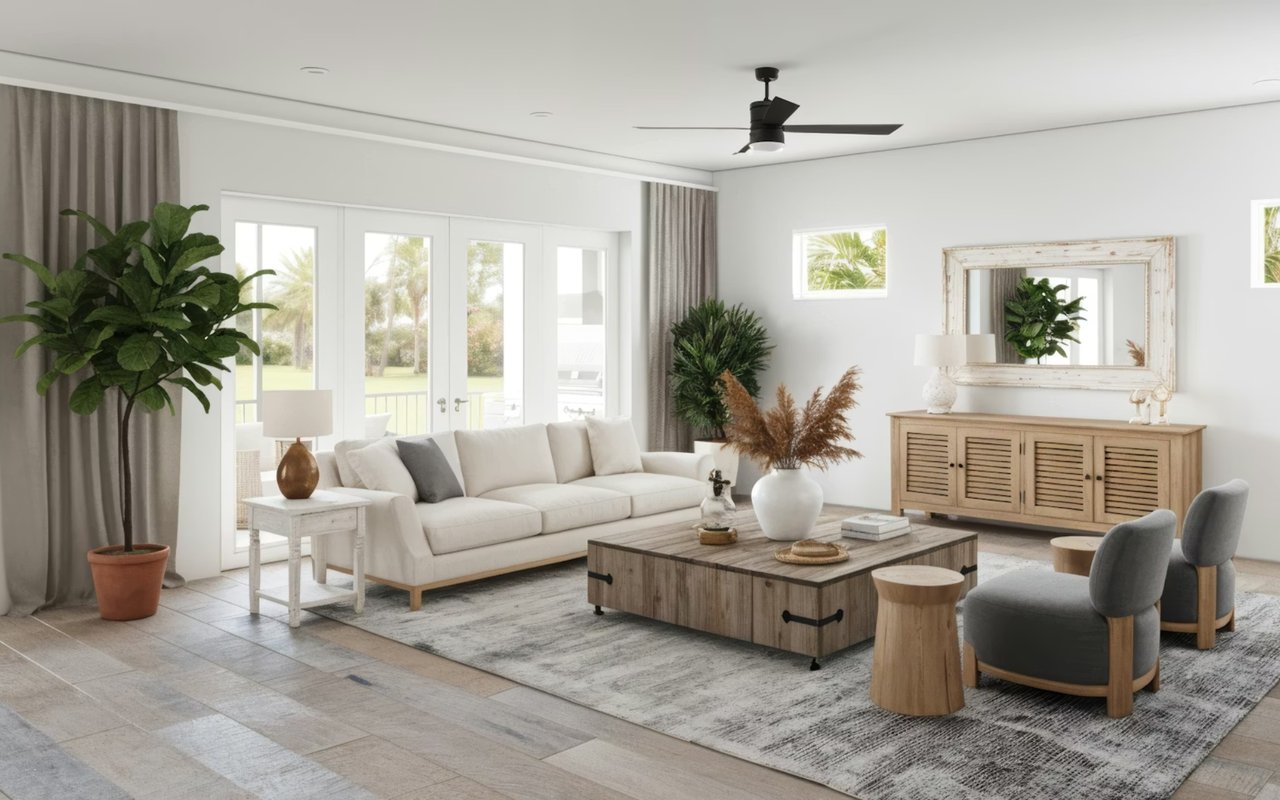
Furniture has an enormous effect on how buyers perceive square footage. A room stuffed with oversized pieces feels cramped regardless of its actual dimensions, while a thoughtfully arranged space with appropriately scaled furniture reads as airy and livable. If you have accumulated furniture over years, now is the time to evaluate what stays, what goes into storage, and what might need to be rented or refreshed for staging purposes.
Float furniture away from walls rather than pushing everything to the perimeter. This counterintuitive approach actually makes rooms feel larger by creating a sense of intentional flow. Leave clear pathways through each room so that buyers can move through it easily during walkthroughs without navigating around obstacles.
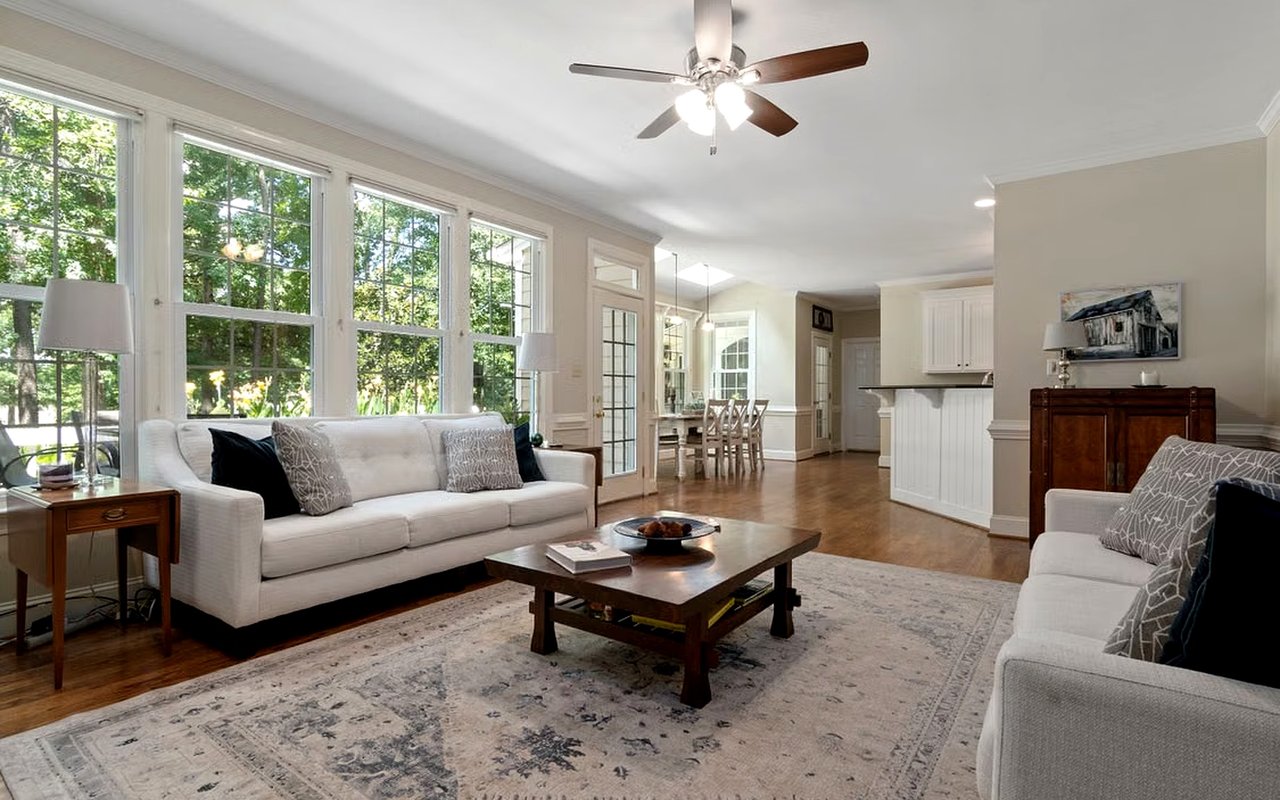
In open-plan living areas, furniture arrangement helps define zones. A conversation area, a dining zone, and a workspace can each be clearly communicated through placement, which helps buyers understand the full utility of a large room. This is especially useful in luxury properties where expansive square footage can actually feel undefined without visual anchors to organize it.
Room-by-Room Staging Priorities
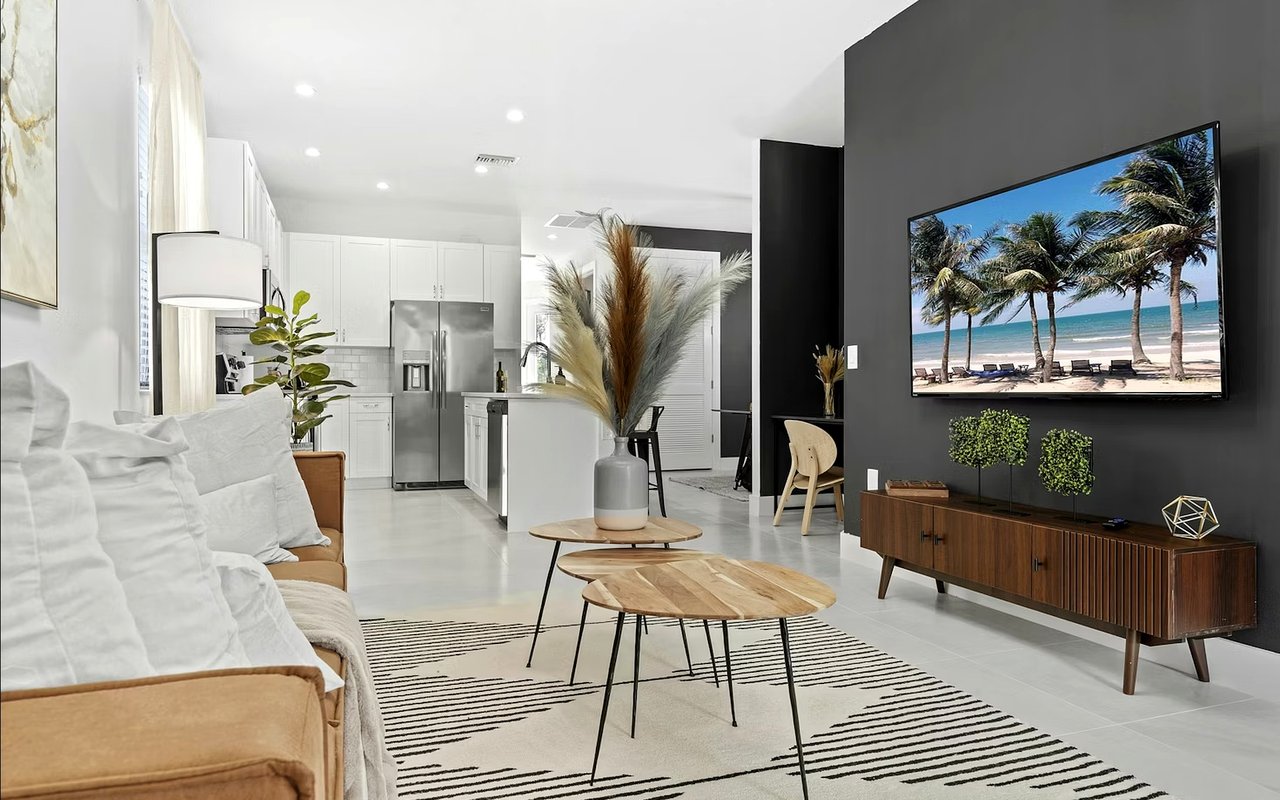
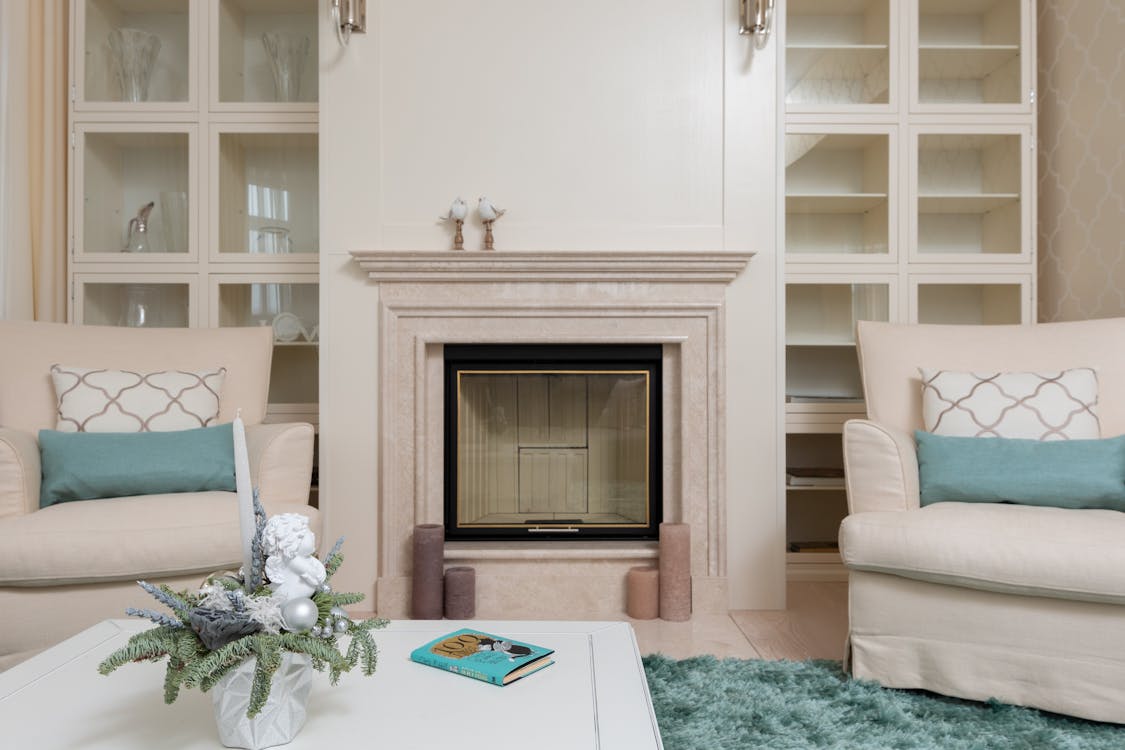
- Living room: Create a clear focal point, typically the view, a fireplace, or a television wall, and arrange seating to face it.
- Primary bedroom: Use fresh, hotel-quality bedding and keep nightstands symmetrical and minimal.
- Kitchen: Clear countertops of everything except one or two intentional accents, such as a fruit bowl or a small plant.
- Bathrooms: Replace worn towels and bath mats with crisp white linens, and remove personal toiletries from view.
- Home office or bonus room: Define the space clearly so buyers understand its purpose and potential.
Use Light, Color, and Texture to Create an Emotional Response
Lighting is one of the most underutilized staging tools available to sellers. A home that feels bright and warmly lit reads as more inviting and spacious than one that relies on overhead fixtures alone.
Open every curtain and blind before showings to maximize natural light, clean the windows so that nothing filters the view, and layer in lamps and ambient lighting to fill gaps in darker corners or rooms with limited windows.
Neutral wall colors work well for staging because they do not alienate buyers with bold preferences, but neutrals do not have to mean boring. Warm whites, soft greiges, and pale linens create a sophisticated backdrop that allows furniture, art, and architectural details to stand out. If your home has very dated or polarizing paint colors, a fresh coat in a warm neutral is one of the highest-return investments you can make before listing.
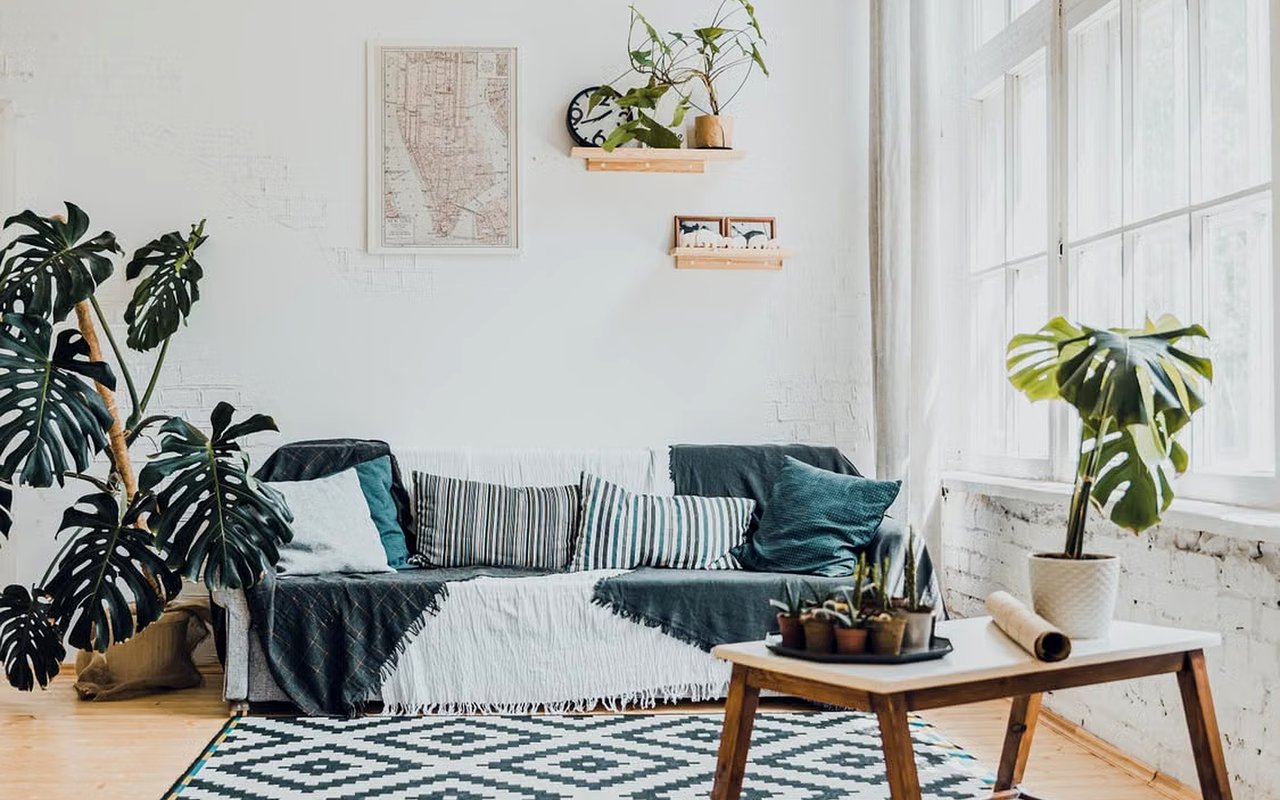
Texture adds depth and visual interest without requiring bold color choices. Layer throw blankets over sofas, use a textured area rug to ground a seating arrangement, and add accent pillows that mix materials like linen, velvet, or woven fabric.
Lighting and Atmosphere Adjustments That Make a Difference
- Replace burned-out bulbs and ensure all fixtures use matching bulb types for consistent warmth.
- Add floor lamps or table lamps in rooms that feel dim or shadowed.
- Use sheer curtains to diffuse harsh direct sunlight while still keeping rooms bright.
- Place fresh flowers or greenery in key areas such as the entryway, kitchen, and primary bedroom.
- Diffuse a light, clean scent before showings; avoid anything overpowering or artificial.
Invest in Professional Staging When the Stakes Are High
For high-value listings or homes that have sat on the market longer than expected, professional staging is worth every dollar. A home stager brings an objective eye and a working inventory of furniture, art, and accessories designed specifically for showing rather than everyday living. The result is a polished, intentional presentation that photographs beautifully and makes a great impression in person.
In competitive markets, where buyers may tour dozens of properties before making a decision, the difference between a home that photographs well and one that looks flat online can directly determine how many showings you receive and the caliber of offers that follow.
When to Bring in a Professional Stager
- The home has been on the market longer than expected without an accepted offer.
- The property is vacant and needs furniture to help buyers understand the scale and function of each room.
- The listing price positions the home in a competitive luxury tier where presentation is critical.
- Interior finishes are dated or the space lacks visual appeal in listing photography.
- You want a second opinion on what to remove, rearrange, or refresh before going live.
FAQs
Does Home Staging Make a Difference in the Sale Price?
Yes, consistently. Staged homes tend to sell faster and for higher prices than comparable unstaged listings. In luxury real estate in particular, where buyers have high expectations and abundant choices, presentation plays a significant role in shaping perceived value. Buyers are often willing to pay more for a home that feels move-in ready and visually cohesive.
Should I Stage My Home If I Am Still Living in It?
Absolutely. Staging a lived-in home is about editing, not overhauling. The goal is to remove excess, neutralize the space, and arrange what remains in a way that photographs well and shows well. You may need to be comfortable with a more minimalist environment during the listing period, but the tradeoff in faster offers and stronger negotiating position is typically well worth the temporary adjustment.
Is Staging Different for Luxury Homes in Tropical Markets Like Puerto Rico?
The principles are the same, but the emphasis shifts in tropical environments. Outdoor living spaces, natural light, and indoor-outdoor flow carry significant weight in a real estate market like Dorado. Staging should extend to terraces, pools, and any exterior living areas, not just the interior rooms.
Make Your Home Impossible to Overlook
Staging is one of the few pre-listing investments that directly shapes how buyers feel the moment they walk in, and that feeling drives decisions. When a home is presented at its best, with thoughtful furniture placement, warm lighting, a neutral and inviting palette, and a polished exterior, buyers do not just see square footage. They see a life they want to step into.
If you are preparing to list your home in Dorado, our trusted team at
Island & Key is ready to guide you. From staging strategy to pricing and negotiation, we bring the local expertise and attention to detail you need.