Villa Dorado Villas: The Renovation Math Behind Dorado Beach's Entry Point
August 6, 2026
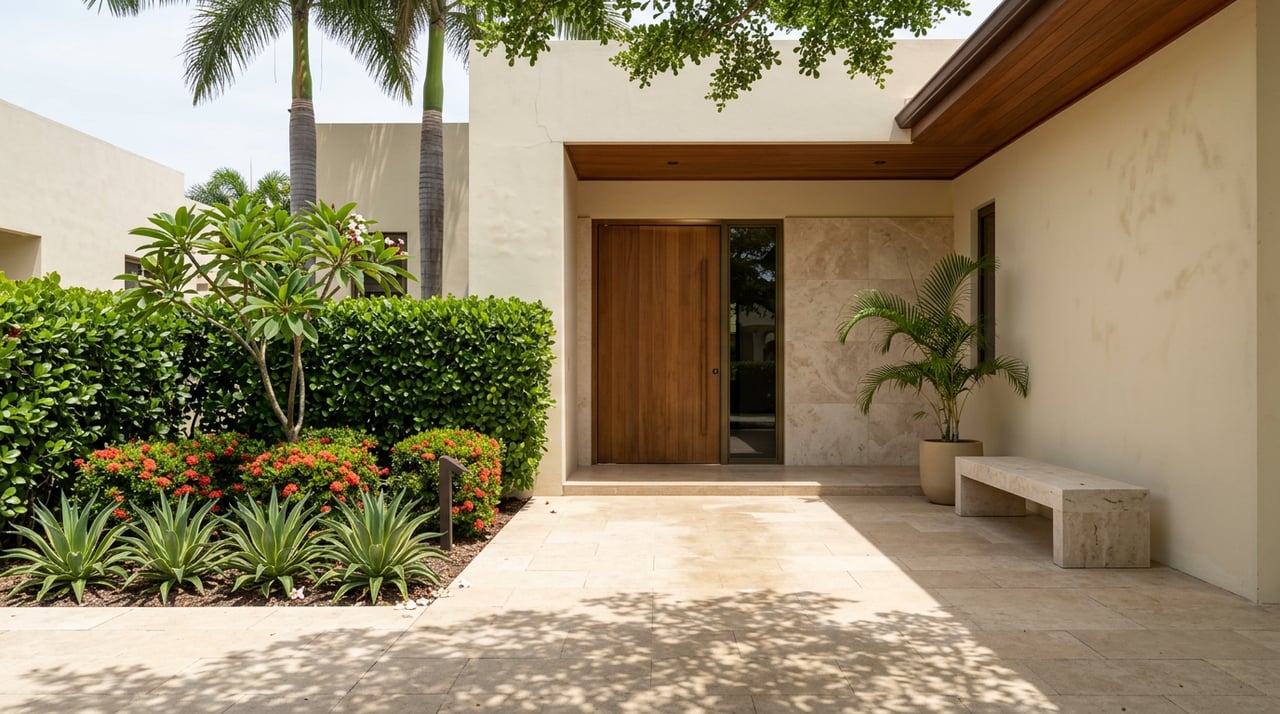
August 6, 2026
Ask three agents where Dorado Beach ownership begins and at least two will point you toward Villa Dorado. The name gets repeated as shorthand for value, the "accessible" way into a resort where estates trade in the eight figures. That framing is not wrong. It is just incomplete.
Villa Dorado is the oldest residential enclave inside Dorado Beach Resort, built in the early 1970s as part of Laurance Rockefeller's first wave of homes on the property. The community's price advantage is real. What is missing from most conversations is why that advantage exists, and how much of it the market has already taken back through a second, quieter form of price discovery: the renovation.
If you scan active inventory this summer, Villa Dorado is not one product. It is two, sitting on the same streets under the same HOA.
| Product | What it is | Typical range |
|---|---|---|
| Original 1970s villa | Rockefeller-era shell, systems largely as-built | ~$1.5M to $3.5M |
| Renovated legacy villa | Full gut, new systems, reworked interiors | ~$3.5M to $4.5M+ |
The gap between those two rows is the whole story. A recent renovated example, Villa Dorado 2111-2112, was reworked by a local architect at roughly 3,560 square feet with every major system replaced and the interior fully reimagined, then positioned as a legacy asset overlooking fairway and Atlantic. Meanwhile, more original units sit in the low-to-mid three million range. The delta is not luxury markup. It is the cost of the work, plus a premium for having the risk retired.
The Dorado Beach market that Villa Dorado sits inside has moved into a more disciplined phase. Verified closed sales across the resort's primary communities in the first half of 2026 ranged from roughly $3.1M to $13M, with the majority of transactions clustered between $3.5M and $6.5M, and buyers negotiating an average of about 11% off original asking prices. Resort-wide appreciation is still tracking in the double digits year over year, but sellers no longer get paid for aspirational pricing.
Two things follow from that for Villa Dorado specifically.
First, an original villa priced at the top of its band is not going to close there. The 11% figure is a resort-wide average across neighborhoods where the underlying asset is much newer. In a community where the mechanical systems predate the current Ritz-Carlton Reserve era, the price haircut on an over-asked original will tend to be steeper, because the buyer is already reserving capital for the work.
Second, renovated Villa Dorados behave more like the newer enclaves. When the electrical, plumbing, glazing, and interior have all been redone, the property competes on lifestyle rather than on future capex. That is why a renovated villa can hold near ask, and why the spread between renovated and original has become the most interesting number in the community.
The renovated Villa Dorado 2111-2112 listing describes the scope directly: electrical, plumbing, windows, and doors all replaced, with the interior entirely reimagined. Any buyer looking at an unrenovated villa should read that list as a preview of their own project.
None of that is exotic in a resort of this age. What matters is that it is priced. The market has watched enough of these renovations complete that the finished number is no longer a mystery. When a renovated comp trades in the low fours and an original comp sits in the low threes, the difference is the budget the market has already assigned to the work.
The temptation is to compare Villa Dorado to whatever else costs the same. That comparison is misleading unless you separate the two Villa Dorados first.
Plantation Village condos in the $2.5M to $4.5M range are a different asset entirely: newer, condo-format, resort-managed, and structured for lock-and-leave. The Isles, running $4.5M to $7M+ for newer three-to-five-bedroom homes with lakefront positioning, is where a buyer who has crossed the renovation threshold in their head often ends up. Dorado Beach East, at roughly $4M to $12M depending on lot and beach proximity, is the estate-scale answer.
Against those three, an original Villa Dorado is not the cheap option. It is the customizable option. You are buying a walkable location inside the original Rockefeller footprint, with the understanding that the interior is a blank check waiting to be written.
The Villa Dorado question is not "how much house does this money buy." It is "how much of the work do you want to own."
That reframe is what separates buyers who are happy in Villa Dorado from buyers who wish they had gone straight to a renovated home or a newer enclave.
The reason renovated Villa Dorados command what they do is not scarcity of updated interiors. Renovated homes exist all over the resort. It is the address itself.
Villa Dorado sits a short golf-cart ride from the beach and from the Ritz-Carlton Reserve gate, with community tennis and a pool on property, and Barlovento restaurant within walking distance. Certain units look directly onto hole #12 of the East Course. The land plan is denser and more sociable than the newer enclaves, which is a feature for some buyers and not for others. That mix of walkability, heritage, and central position is what the community's original architects built for, and it is what a renovation lets a buyer capture without paying for oceanfront frontage next door.
For a resale-minded buyer, that is the pricing floor to underwrite. Resort-wide appreciation and inventory constraint are supporting the whole property, but the specific reason a Villa Dorado holds bid is location inside the gates.
Because the community's product varies so widely inside a narrow price band, the diligence list is where deals are won and lost.
That last point is the practical version of the thesis. In a market where sellers are already accepting real negotiation, the buyers doing best in Villa Dorado are the ones treating the renovation as a known number rather than a discovery cost. It is the difference between paying for a house and paying for a plan.
Is an original Villa Dorado still worth buying if you plan to renovate? Often yes, but only if you enter with the renovation priced in and the contractor lined up. The math works when your all-in number is at or below the current renovated comps. It stops working when the project runs and the market moves sideways.
How does Villa Dorado compare to Villa Dorado Estates? They are different products despite the shared name. Villa Dorado Villas is the original 1970s community. Villa Dorado Estates has been trading recently in a far higher band, including active listings well above $20M for large new construction, which puts it in a different conversation entirely.
Does the age of the community affect resale? Age itself has not been a drag on the resort's pricing. What affects individual resale in Villa Dorado is renovation status and how the work was done. Documented, permitted, high-quality renovations tend to hold value. Cosmetic-only updates over unresolved system issues tend to get discovered at inspection.
Villa Dorado rewards buyers who read past the sticker. If you are weighing an original villa against a renovated one, or Villa Dorado against Plantation Village or The Isles, the useful conversation is about what your delivered number actually looks like once the work is priced in. That is the conversation Island & Key is built to have. Reach out when you want the community-specific comps and the renovation budget checked against your plan before you write the offer.
Stay up to date on the latest real estate trends.

Smart Steps for a Smooth Renovation.
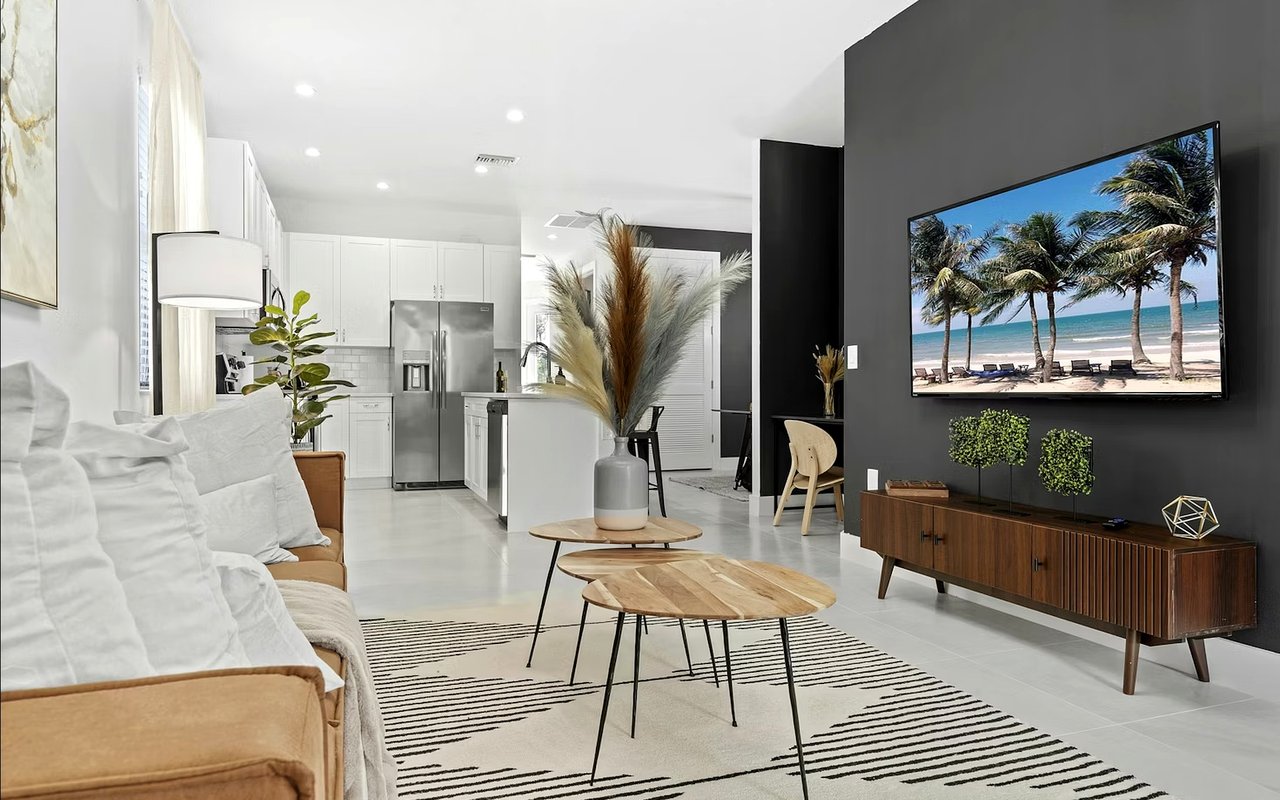
Smart Steps to Stand Out in Puerto Rico's Premier Coastal Market.
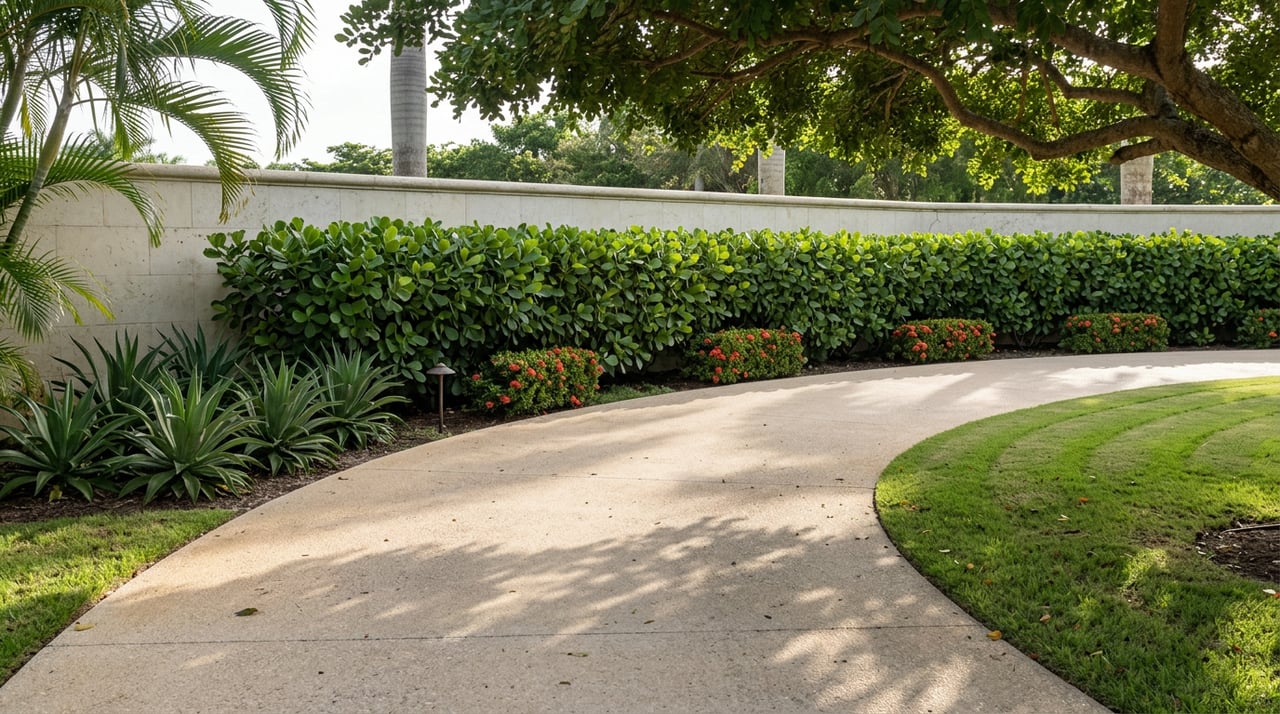

Keeping Your Coastal Property in Peak Condition Year-Round.
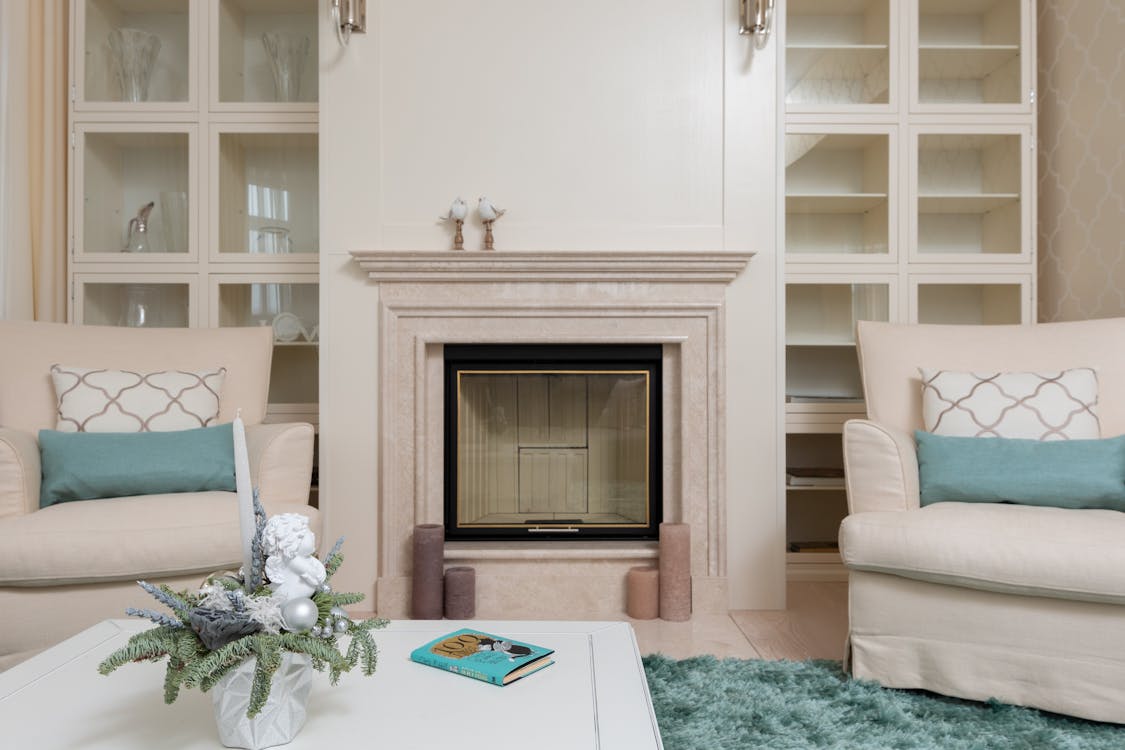
Coastal Elegance That Lasts a Lifetime.